
 Türkçe


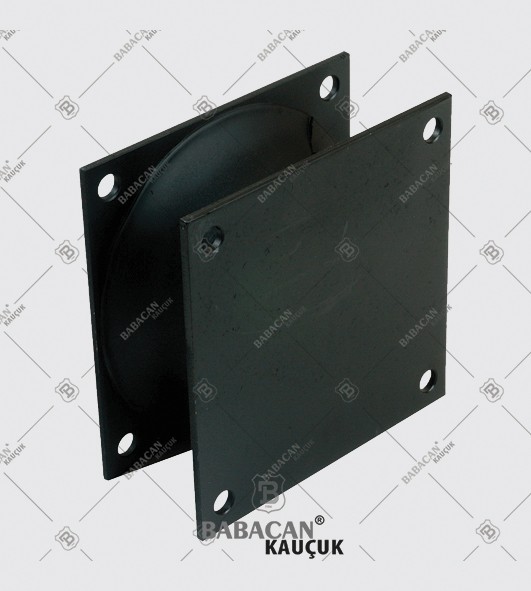
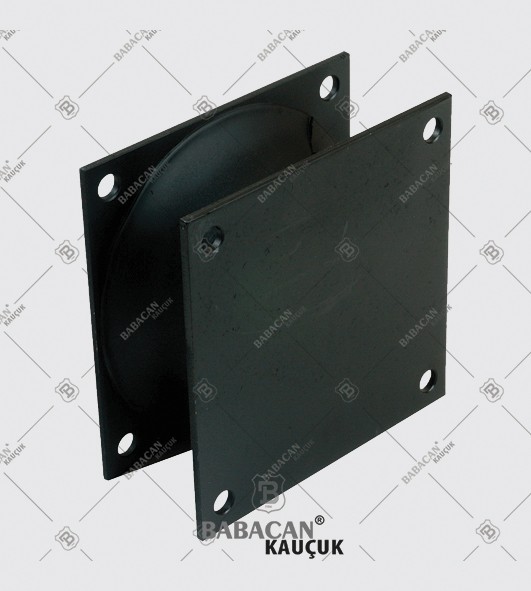
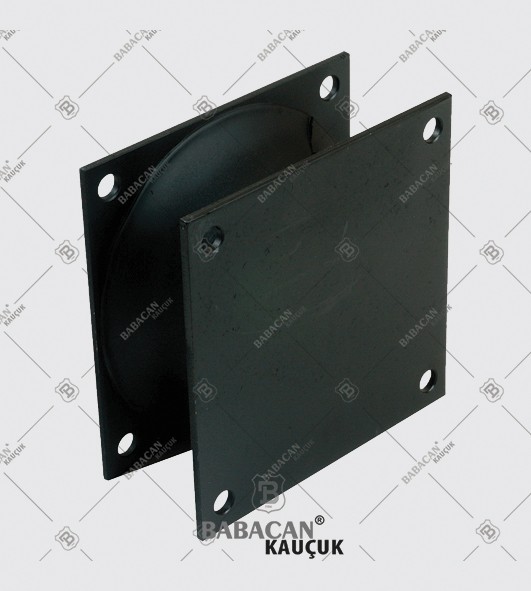
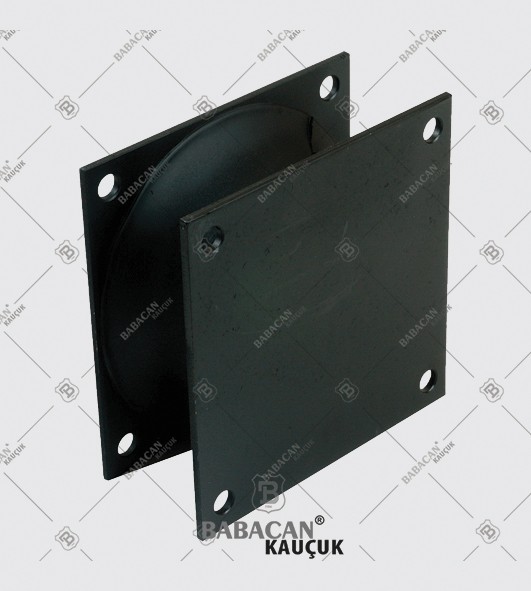
450122 Roller Mount – Vibration Damping Pad for Dynapac Road Rollers
The 450122 roller mount is a specialized vibration-absorbing pad used between the drum and the machine body in Dynapac asphalt rollers. Also referred to as 450122 vibration mount, 450122 mount pad, or 450122 vibration damper, this component reduces vibration transmission, extends machine lifespan, and enhances operator comfort.
Compatible Machines
The 450122 vibration damper is compatible with the following Dynapac models:
- CA15, CA30, CA121, CA251
- CC20, CC30, CC222, CC322
- LR100 and other similar road roller models
In these models, it minimizes vibration transfer between drum and chassis, preventing loosening and premature wear of parts.
Fields of Application
The 450122 vibration mount is widely used in:
- Road construction and asphalt paving projects
- Airport, bridge, and highway construction
- Heavy-duty asphalt roller operations
- General construction sites with ground compaction equipment
It ensures stability and efficiency even in harsh site conditions.
Technical Specifications
- Part No: 450122
- Alternative Codes: 4700450122, 801187
- Part Name: Roller Mount / Vibration Damper / Mount Pad
- Material: Industrial-grade rubber with metal components
- Weight: Approximately 3 – 3.5 kg
- Mounting Position: Drum-to-chassis connection points
- Function: Absorbs drum vibrations, reduces transfer to chassis
Why Choose the 450122 Roller Mount?
- OEM-compatible dimensions and design for Dynapac machines
- Excellent vibration damping to protect key components
- Durable and proven under field conditions
- Extends service intervals and overall machine life
- Improves operator comfort by reducing noise and impact
Durable Vibration Damping Solution
The 450122 roller mount is a reliable spare part that absorbs drum-generated vibrations in Dynapac rollers, ensuring smoother operation and longer-lasting performance. Known as the 450122 vibration damper, it is the preferred choice of professionals demanding durability, safety, and comfort in asphalt roller operations.
Application & technical notes
Advanced elastomeric vibration damping pad designed for Dynapac road construction equipment, delivering optimal isolation performance and durability in demanding compaction environments
Road construction equipment generates substantial vibration through compaction mechanisms, engine operation, and terrain interaction. Managing these vibration sources protects machine components while ensuring operator safety and comfort. Strategic isolation component placement intercepts vibration transmission paths maintaining equipment reliability and operational efficiency.
Compaction Equipment Vibration Sources
Dynapac road rollers employ multiple vibration-generating systems. Vibratory drums create intentional oscillations for material densification—typical frequencies range from 28-62 Hz with amplitudes adjusted for different compaction requirements. Diesel engines contribute continuous vibration at frequencies corresponding to firing intervals and rotating components. Hydraulic systems generate pressure pulsations and pump noise. Ground contact forces from uneven surfaces introduce broadband impact energy. The 450122 roller mount addresses these diverse vibration sources through carefully engineered isolation characteristics.
Uncontrolled vibration transmission accelerates component wear and causes premature failures. Structural fatigue develops in chassis members subjected to cyclic loading. Electrical connections loosen from sustained vibration exposure. Hydraulic fittings develop leaks as vibration works fasteners loose. Operator exposure to excessive whole-body vibration reduces productivity and creates health concerns. Effective vibration management prevents these issues extending equipment life while maintaining safe working conditions.
Isolation Engineering Fundamentals
Vibration isolation systems function as mechanical filters separating vibration sources from protected components. Isolation effectiveness depends on mass ratios, mount stiffness, and damping characteristics. Theory predicts isolation begins at frequencies above 1.4 times system natural frequency—practical designs target natural frequencies well below operating vibration frequencies ensuring effective attenuation. The 450122 mount employs optimized stiffness providing natural frequencies around 8-12 Hz, delivering excellent isolation for typical compaction equipment operating frequencies while maintaining adequate load support and position control.
Rubber Compound Engineering
Creating effective vibration mounts requires balancing mechanical properties through precise compound formulation. Hardness affects both load capacity and vibration transmission—harder compounds support greater loads but transmit more vibration, softer compounds provide better isolation but compress excessively under load. Dynamic stiffness differs from static stiffness with frequency-dependent behavior influencing isolation performance. Damping characteristics control resonance behavior and determine how quickly vibration decays after excitation.
Load Bearing Performance
Compound hardness engineered for 18-25% compression under rated static load maintaining optimal working position throughout service life
Dynamic Characteristics
Low dynamic-to-static stiffness ratio ensures consistent isolation performance across varying load and frequency conditions
Environmental Durability
Formulation resists degradation from diesel fuel, hydraulic oil, ozone, and UV exposure maintaining properties through environmental challenges
Temperature Performance
Maintains functional properties from -35°C winter conditions to +75°C summer operation ensuring year-round reliability
Fatigue Resistance
Superior crack growth resistance withstands millions of load cycles without degradation providing 5,000+ hour service life
Damping Control
Optimized hysteresis provides 12-18% critical damping controlling resonance without compromising high-frequency isolation effectiveness
Multi-Directional Isolation
Equipment vibration occurs in all spatial directions requiring mounts that provide appropriate isolation in each axis. Vertical vibration typically dominates due to compaction forces and ground impacts. Fore-aft and lateral vibration from machine acceleration and turning operations require consideration in mount design. Rotational vibration components—pitch, roll, and yaw—affect operator perception despite smaller magnitudes. Effective mounts address all vibration modes through geometric design and directional stiffness characteristics optimized for specific mounting applications.
Mount geometry influences isolation directionality. Cylindrical mounts exhibit similar stiffness in all radial directions but different axial stiffness. Bushing configurations provide torsional flexibility while controlling radial displacement. Sandwich mounts—rubber bonded between parallel plates—deliver high lateral stiffness maintaining component position while providing excellent vertical isolation. The 450122 employs geometry optimized for its specific mounting location balancing isolation requirements against motion control needs.
Bonding Technology
Roller mounts integrate metal components distributing loads and providing attachment interfaces. Bond quality between rubber and metal determines component reliability and service life. Surface preparation critically affects bond strength—metal surfaces receive chemical treatment creating reactive sites for adhesive bonding. Specialized primers bridge between metal and rubber creating molecular-level adhesion. Proper bonding produces interface strength exceeding rubber tear strength ensuring failures occur through rubber fatigue rather than bond separation.
Bond integrity verification occurs during manufacturing through destructive testing of sample components. Failed samples should exhibit rubber tearing rather than clean separation at metal interfaces. Production processes maintain strict controls over surface preparation, primer application, and curing conditions ensuring consistent bond quality across all manufactured components. The 450122 undergoes rigorous quality verification confirming bond integrity meeting or exceeding design specifications.
Integrated Vibration Control Systems
Comprehensive solutions for heavy equipment vibration management and component protection:
551-549-77 Hose Reel 551-594-54 Slide Bar 56D-50-12314 Spring BlockInstallation Requirements
Proper installation translates engineered performance into field reliability. Mounting surfaces must be clean, flat, and free from damage. Surface contamination prevents proper contact compromising load distribution. Corrosion or damage creates stress concentrations accelerating wear. Fasteners require torque to manufacturer specifications—typical values range from 60-100 Nm depending on size and application. Under-tightening allows movement causing fretting wear and fastener loosening. Over-tightening crushes rubber elements distorting stress distributions and potentially causing premature failure.
Sequential tightening patterns ensure even load distribution across mounting points. Initial tightening to 50% specification torque establishes uniform contact. Final tightening to full specification follows prescribed sequence preventing uneven loading. Post-installation verification confirms proper assembly—mounts should exhibit uniform compression without bulging or deformation. Initial operation monitoring detects installation issues before extensive use compounds problems.
Service Life Optimization
Operational factors significantly influence component longevity beyond inherent material properties. Operating within equipment load ratings prevents overload damage. Maintaining equipment reduces vibration from worn components that accelerate mount degradation. Keeping mounting areas clean prevents contamination damage. Operating in moderate temperature ranges when possible extends service life compared to sustained extreme temperature exposure.
Inspection protocols identify degradation before failures occur. Visual examination reveals surface cracking from aging or environmental attack. Compression set—permanent deformation after load removal—indicates material breakdown. Increased vibration transmission suggests reduced damping effectiveness. Detecting these conditions early allows planned replacement preventing unexpected failures and associated downtime costs. Equipment operating under normal conditions typically achieves 4,000-6,000 operating hours between mount replacement while severe duty applications may require 2,500-3,500 hour intervals.
Economic Considerations
Quality vibration mounts represent modest investments delivering disproportionate value. Effective isolation reduces wear on expensive components throughout equipment preventing costly repairs. Extended component life reduces parts consumption and maintenance labor. Minimized downtime maintains productive operation rather than idle equipment generating no revenue. Improved operator comfort increases productivity and reduces turnover-related training costs. These factors combine producing return on investment often measured in weeks or months rather than years.
Total ownership cost analysis demonstrates premium components frequently cost less than economy alternatives over equipment lifetimes. The 450122 delivers service life typically 50-100% longer than inferior substitutes while providing superior isolation performance throughout its operational period. Extended replacement intervals reduce maintenance labor and parts consumption. Superior isolation reduces secondary component wear. These benefits accumulate over equipment ownership producing measurable economic advantages justifying quality component selection.
Technical Information
Access complete specifications, installation guidelines, and compatibility data for the Dynapac 450122 roller mount
View Product Details
Frequently Asked Questions
Which OEM part numbers does this part replace?
450122 Roller Mount – Vibration Damping Pad for Dynapac Road Rollers is produced against OEM reference DYNAPAC 450122. Send us the OEM part number you need and our team will confirm the matching Babacan part and its compatibility for your machine.
Is this part EN 45545-2 compliant?
For railway applications our rubber parts can be supplied in EN 45545-2 fire-and-smoke compliant compounds on request. Specify the hazard level (HL1–HL3) required for your project and we will provide a suitable formulation and documentation.
What rubber compounds and hardness options are available?
We offer NR, SBR, EPDM, NBR and silicone-based compounds, typically from 40 to 90 Shore A. We recommend the right material based on the temperature, load and oil-resistance requirements of your specific application.
Do you produce samples and series batches?
Yes. We manufacture both samples and series production at our Ostim / Ankara facility, working from a technical drawing or a sample part. Contact us through the form for a quotation and lead time for your parts.
All manufacturer names, symbols, descriptions and part numbers are used for reference purposes only and do not imply that any part is the product of that manufacturer.