
 Türkçe


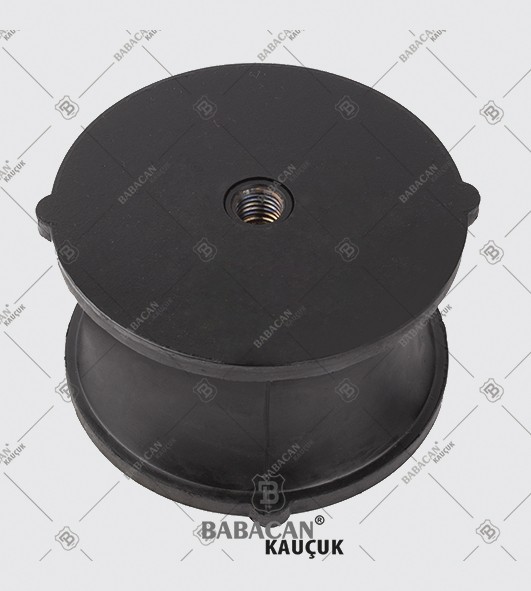
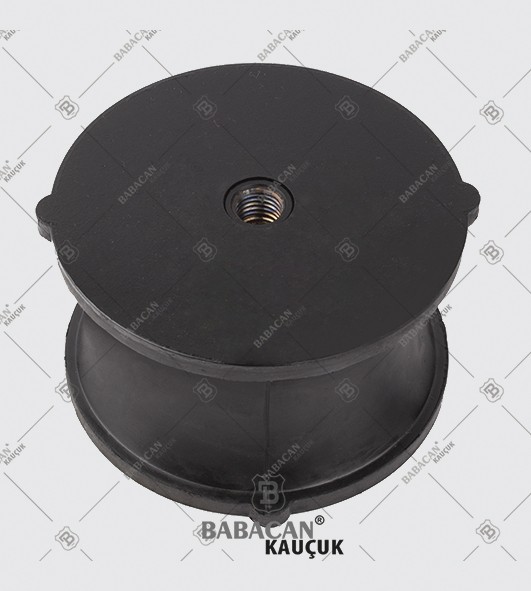
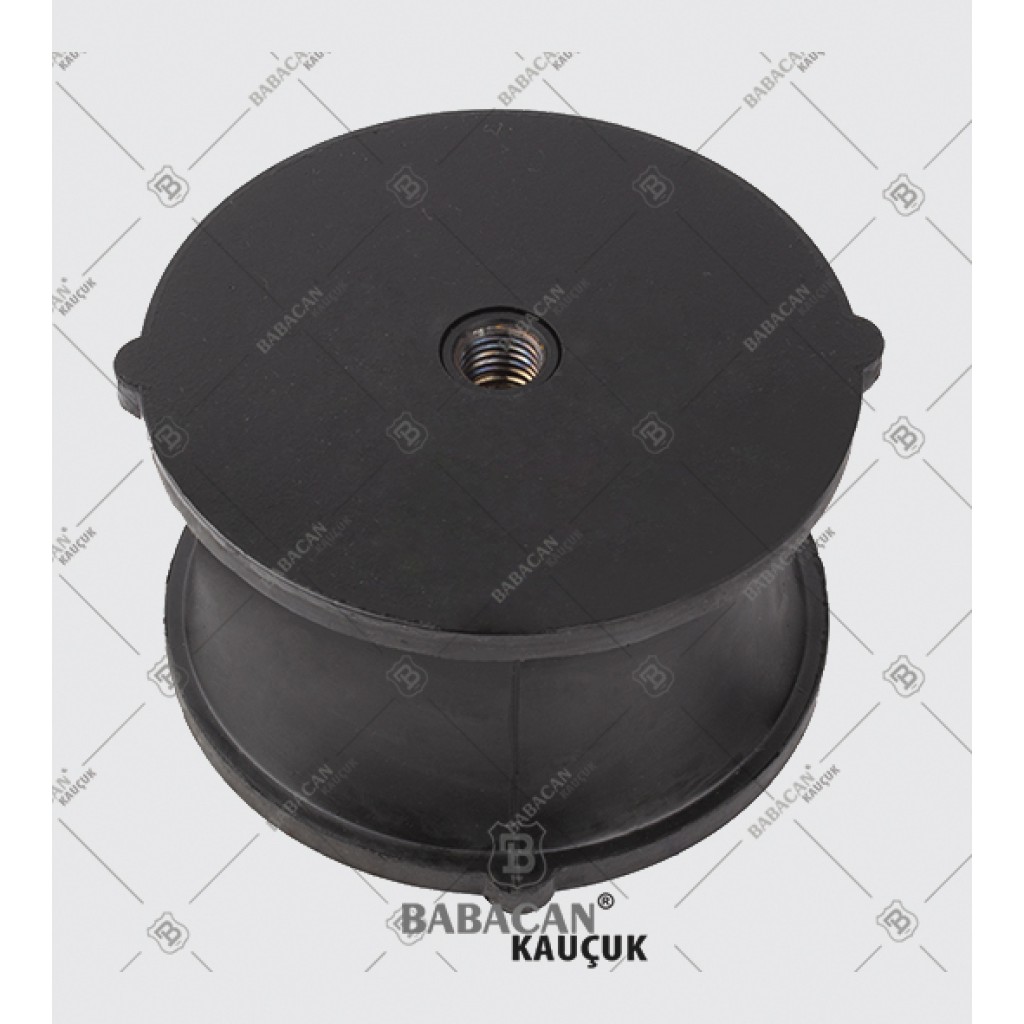
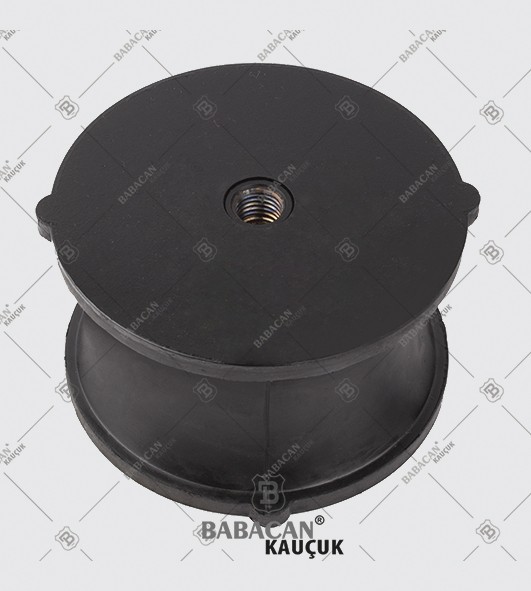
227-0172 Roller Buffer – Vibration Control Component for Caterpillar Asphalt Rollers
The 227-0172 roller buffer is a specially designed replacement part used in Caterpillar asphalt rollers to reduce drum-generated vibration. With its high shock absorption capacity, it prevents the transfer of vibrations to the machine chassis, which helps protect both the equipment and the operator. The part is also known as the 227-0172 vibration mount in the industry.
Compatible Caterpillar Models
- CAT CB-334D
- CAT CP-56B
- CAT CS-54B
- CAT CP-433C
- CAT CS-68B
- CAT CP-533E
- CAT CS-531C
- CAT CP-54B
- CAT CS-433C
In these models, it absorbs vibrations from the drum, allowing for more stable and safer machine operation.
Areas of Use and Applications
- Road construction and paving projects
- Infrastructure and superstructure construction sites
- Asphalt roller and compaction machines
- Industrial ground compaction applications
It extends the machine's lifespan, reduces the need for maintenance, and enhances operator comfort.
Technical Specifications
- OEM No: 227-0172
- Alternative Code: 2270172
- Part Name: Roller Buffer / Vibration Mount
- Material: High-durability elastomer + reinforced metal
- Function: To absorb drum vibration and reduce its transmission to the chassis
Why Choose the 227-0172 Vibration Mount?
Asphalt rollers are equipment that operate under intense vibration and impact. The 227-0172 vibration mount helps the system operate stably by protecting the machine body under these demanding conditions. Its long-lasting structure makes it durable against field conditions and ensures safe use.
The 227-0172 roller buffer is a reliable replacement part that has been tested and performance-approved in Caterpillar asphalt machines, providing effective vibration isolation.
Application & technical notes
Engineered isolation solution delivering vibration control and load management across diverse industrial applications
The Role of Rubber Mounts in Machinery
Machines vibrate. Some generate vibration intentionally as part of their function. Others produce unwanted vibration as a byproduct of operation. Regardless of source, uncontrolled vibration degrades performance, accelerates wear, and creates operator discomfort. The 227-0172 rubber mount addresses these challenges through elastomer engineering optimized for industrial mounting applications where vibration isolation determines equipment effectiveness and longevity.
Consider typical industrial scenarios. A diesel engine mounted directly to a frame transmits vibration throughout the structure, causing fasteners to loosen, welds to crack, and operators to fatigue rapidly. Insert properly designed rubber mounts between engine and frame, and transmitted vibration drops by 80% or more. The result—tighter fasteners, intact welds, comfortable operators, and equipment that lasts decades rather than years.
Vibration Isolation Principles
Effective isolation requires understanding frequency response. Mounts work by creating a mechanical filter—they allow slow movements to pass through while blocking rapid vibrations. The transition frequency depends on mount stiffness and supported mass. Too stiff, and vibration transmits directly. Too soft, and excessive movement occurs under load. The 227-0172 achieves optimal balance through careful compound formulation and geometric design.
Material Science Behind Performance
Rubber compounds used in industrial mounts differ fundamentally from consumer products. They must resist oils and solvents that would destroy ordinary rubber. Temperature extremes—from winter cold starts to sustained high-temperature operation—cannot compromise properties. Ozone from nearby electrical equipment attacks rubber surfaces unless antiozonants provide protection. Each requirement demands specific additives and processing techniques.
The base polymer selection influences every other property. Natural rubber excels at resilience and low-temperature flexibility. Synthetic alternatives offer superior heat and oil resistance. Many industrial mounts use blends capturing advantages from both. Reinforcing fillers add strength without excessive stiffening. Crosslinking during vulcanization creates the three-dimensional molecular network giving rubber its characteristic elasticity.
Load Capacity
Supports equipment weight plus dynamic loads without excessive compression
Damping Efficiency
Converts vibration energy to heat through internal molecular friction
Chemical Resistance
Withstands exposure to hydraulic fluids, fuels, and industrial solvents
Temperature Stability
Maintains consistent performance from -35°C to +85°C
Application Versatility
Industrial rubber mounts find application wherever vibration isolation or load cushioning proves necessary. Engine mounting in generators and pumps. Compressor isolation in refrigeration systems. Motor mounting in manufacturing equipment. Control panel isolation protecting sensitive electronics. Each application benefits from reduced vibration transmission, lower noise levels, and protection of adjacent components from dynamic loading.
Explore Additional Mount Solutions
Comprehensive range of vibration isolation components for diverse applications:
330-016-98 Sliding Piece 3128-0458-18 Slide Bar 17A-54-46120 CushionInstallation Requirements
Mount performance depends critically on proper installation. Mounting surfaces must be flat and clean—paint, rust, or debris prevents proper contact and creates stress concentrations. Fastener torque specifications exist for good reasons—they ensure adequate clamping without overstressing the rubber. Using calibrated torque tools and following recommended tightening sequences prevents installation problems that compromise performance.
Alignment matters equally. Misaligned mounts experience uneven loading that accelerates wear and reduces isolation effectiveness. Verify that mounted equipment sits level and centered on all mounting points. After initial operation, retorque fasteners to account for rubber settling under load. This simple step prevents loosening that would otherwise develop during the first operating hours.
Service Life and Replacement Indicators
Rubber mounts don't last forever. Environmental exposure, cyclic loading, and chemical contact gradually degrade material properties. Visual inspection during scheduled maintenance reveals approaching end of service—surface cracking from ozone, hardening from heat exposure, or permanent compression indicating material fatigue. When these conditions appear, replacement prevents the productivity losses and potential damage from operating with worn mounts.
Typical service life ranges from 3,000 to 8,000 hours depending on operating conditions and maintenance quality. Severe applications—continuous high-temperature operation or aggressive chemical exposure—reduce this. Conversely, equipment operating in moderate conditions with regular inspection often exceeds expected service life substantially. Proactive replacement based on inspection findings costs far less than reactive replacement after catastrophic failure.
Product Specifications
Technical details, dimensional data, and application guidance
227-0172 Mount Details
Frequently Asked Questions
Which OEM part numbers does this part replace?
Mount Rubber is produced against OEM reference CAT 227-0172. Send us the OEM part number you need and our team will confirm the matching Babacan part and its compatibility for your machine.
Is this part EN 45545-2 compliant?
For railway applications our rubber parts can be supplied in EN 45545-2 fire-and-smoke compliant compounds on request. Specify the hazard level (HL1–HL3) required for your project and we will provide a suitable formulation and documentation.
What rubber compounds and hardness options are available?
We offer NR, SBR, EPDM, NBR and silicone-based compounds, typically from 40 to 90 Shore A. We recommend the right material based on the temperature, load and oil-resistance requirements of your specific application.
Do you produce samples and series batches?
Yes. We manufacture both samples and series production at our Ostim / Ankara facility, working from a technical drawing or a sample part. Contact us through the form for a quotation and lead time for your parts.
All manufacturer names, symbols, descriptions and part numbers are used for reference purposes only and do not imply that any part is the product of that manufacturer.