
 Türkçe


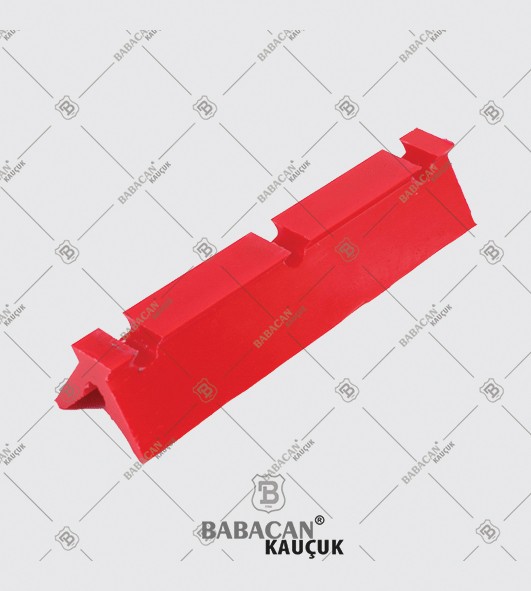
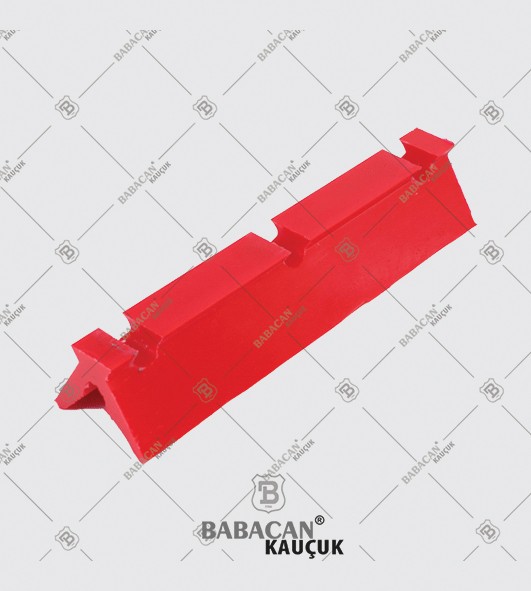
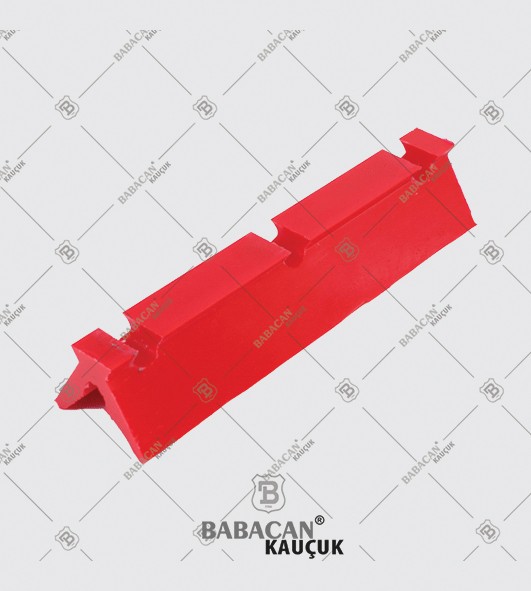
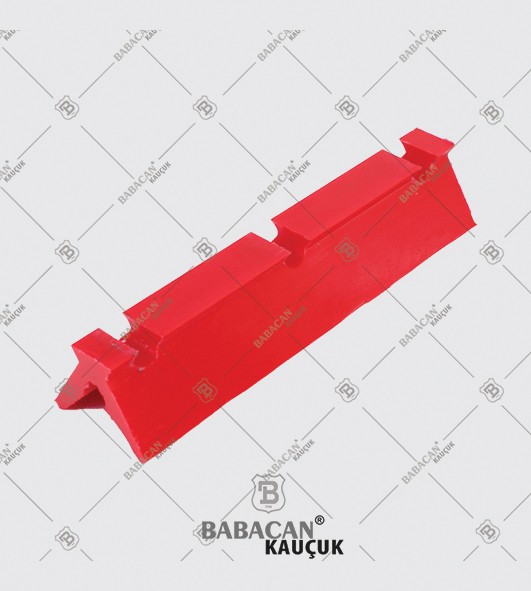
The 33001698 slide piece is a precision-engineered and durable component used on the feed beam systems of Sandvik and Tamrock rock drilling machines. Also referred to in the industry as 330 016 98 slide piece, this part is specifically designed to ensure smooth movement of sliding elements along the beam and to reduce wear over time.
Compatible Machines
The 33001698 slide piece is suitable for use in the following Sandvik and Tamrock machines: Sandvik TB40, TB60, DD210, DD311, DD321, DL321, DT820, DL431, DS311. It is also compatible with certain Atlas Copco / Epiroc models. In these machines, it maintains consistent sliding motion along the feed beam rail, enhancing the efficiency and safety of the system.
Fields of Application
The 330 016 98 slide piece is widely used in: underground mining and tunnel drilling systems, rock drilling and breaking equipment, heavy construction and drilling machinery, and large-scale infrastructure or metro projects. This part contributes to the system’s precision and stability even under harsh operating conditions.
Technical Specifications
OEM No: 33001698 Alternative Code: 330 016 98 Part Name: Slide Piece Material: Polyurethane (PU 90-95 SHA) Application Area: Feed beam systems Function: Enables smooth sliding motion, ensures alignment, and prevents wear in sliding mechanisms
Why Choose the 33001698 Slide Piece?
• Exact fit and dimensions for OEM compatibility • High wear resistance for extended service life • Promotes proper alignment and supports mechanical balance • Field-tested under demanding conditions with proven reliability • 100% performance compatibility with Tamrock and Sandvik machines
Conclusion
The 33001698 slide piece eliminates mechanical play and vibration that may occur in feed beam systems, ensuring longer-lasting, safer, and more efficient machine operation. Designed to withstand the tough demands of the mining and construction industries, the 330 016 98 slide piece is a high-quality spare part you can trust in the field.
Designed with expertise and precision, the 33001698 Sliding Piece / Wear Strip play a vital role in Sandvik rock drilling machines by facilitating smooth movement and preventing friction between metal parts, enhancing overall performance.
Babacan Rubber maintains its industry leadership by prioritizing customer satisfaction and consistently contributing to the extensive product range of rock drilling machines. For inquiries about the 33001698 and 330 016 98 Sliding Piece / Wear Strips or other high-quality products, contact us.
Application & technical notes
Movement in industrial machinery happens thousands of times daily. Each cycle wears components incrementally, and without proper material selection, this wear accelerates into catastrophic failure. The 330 016 98 sliding piece tackles this challenge with polymer engineering that extends service intervals far beyond conventional alternatives.
Why Sliding Components Matter
Every machine with moving parts depends on sliding interfaces. Carriages move along rails, pistons travel within cylinders, and adjustment mechanisms shift positions—all creating friction that consumes energy and generates wear. The economic impact of poorly performing sliding components extends well beyond replacement costs.
Consider energy losses first. Friction converts mechanical power into useless heat. In equipment operating continuously, even small friction improvements yield substantial energy savings annually. Then factor in maintenance—lubrication intervals, seal replacements, cleanup of leaked grease. Finally, account for downtime when worn components force unscheduled maintenance.
Material Engineering Fundamentals
The 330 016 98 component utilizes advanced polymer chemistry designed specifically for demanding sliding applications. This isn't commodity plastic—it's a carefully formulated material balancing wear resistance, low friction, load capacity, and temperature stability. Each property requires specific molecular characteristics, and achieving all simultaneously demands sophisticated material science.
- ✓ Self-lubricating surface eliminates external grease requirements
- ✓ Wear rates 70% lower than bronze bushings in dry conditions
- ✓ Operating temperature range from -40°C to +110°C
- ✓ Chemical resistance to hydraulic fluids and solvents
Performance Under Load
Loading conditions determine whether sliding components succeed or fail prematurely. Light loads allow almost any material to function adequately. Heavy loads separate engineered solutions from inadequate substitutes. The 330 016 98 sliding piece maintains its low-friction characteristics even under substantial contact pressures that would cause metal components to gall without constant lubrication.
Load distribution mechanisms in polymer materials differ fundamentally from metals. Rather than rigid contact that concentrates stress, the material deforms microscopically to spread loads across broader areas. This elastic behavior reduces peak stresses while simultaneously lowering friction coefficients—a combination impossible with conventional materials.
Contamination Tolerance
Industrial environments rarely provide clean conditions. Dust, metal particles, and moisture inevitably find their way into mechanical assemblies. Lubricated metal sliding systems suffer dramatically when contaminated—abrasive particles mix with grease to create grinding compounds that accelerate wear exponentially.
Self-lubricating polymers eliminate the grease that traps contaminants. Particles that contact the surface typically fall away or get expelled during movement. When particles do embed, they sink into the polymer matrix rather than acting as three-body abrasives between hard surfaces. This fundamental difference explains why polymer sliding components often outlast metal alternatives by factors of two or three in contaminated environments.
Installation Best Practices
Proper installation ensures design performance translates into field reliability. Mating surfaces must be smooth and free from burrs or damage. Sharp edges that metal components tolerate can damage polymers during assembly. Cleanliness matters—contaminants trapped during installation create wear sites that propagate throughout the component's life.
Temperature considerations during installation prevent problems later. Polymers expand more than metals with temperature changes. Installing components at temperature extremes can create binding when hot or excessive clearance when cold. Following manufacturer specifications for installation temperature ranges prevents these issues.
Economic Impact Analysis
Initial component cost represents only a small fraction of total ownership expense. Consider a typical industrial application where sliding components operate 16 hours daily. Energy savings from reduced friction compound over thousands of operating hours. Eliminated lubrication removes scheduled maintenance tasks and associated labor costs. Extended service life reduces parts consumption and installation labor.
- ✓ Typical ROI achieved within 6-12 months of installation
- ✓ Maintenance intervals extended by 200-300%
- ✓ Energy consumption reduced by 5-15% in sliding mechanisms
- ✓ Secondary component wear decreased significantly
Application Versatility
While engineered for specific equipment, the 330 016 98 sliding piece finds application across diverse industrial scenarios. Manufacturing machinery benefits from reduced downtime. Construction equipment operates longer between services. Material handling systems move more efficiently. Each application realizes measurable improvements in reliability and operating costs.
Product Information
Access complete specifications and technical data: 330 016 98 Sliding Piece Details
Final Perspective
Component selection impacts operational efficiency more than many realize. The right sliding piece reduces friction losses, eliminates maintenance tasks, and extends equipment life. These benefits compound over time, creating substantial value that far exceeds the modest initial investment required for quality components.
Frequently Asked Questions
Which OEM part numbers does this part replace?
SLIDING PIECE 33001698 330 016 98 is produced against OEM reference 330 016 98. Send us the OEM part number you need and our team will confirm the matching Babacan part and its compatibility for your machine.
Is this part EN 45545-2 compliant?
For railway applications our rubber parts can be supplied in EN 45545-2 fire-and-smoke compliant compounds on request. Specify the hazard level (HL1–HL3) required for your project and we will provide a suitable formulation and documentation.
What rubber compounds and hardness options are available?
We offer NR, SBR, EPDM, NBR and silicone-based compounds, typically from 40 to 90 Shore A. We recommend the right material based on the temperature, load and oil-resistance requirements of your specific application.
Do you produce samples and series batches?
Yes. We manufacture both samples and series production at our Ostim / Ankara facility, working from a technical drawing or a sample part. Contact us through the form for a quotation and lead time for your parts.
All manufacturer names, symbols, descriptions and part numbers are used for reference purposes only and do not imply that any part is the product of that manufacturer.